
Massage Chair Benefits: What Does the Science Say?

Who wouldn't want to sink into a chair at the end of the day and feel the weight lift off their shoulders? Massage chairs are no longer a luxury — they have become the relaxation corner of many homes. But are massage chair benefits really more than marketing lines? In this article, drawing on international research and expert commentary, we honestly explain what is proven, what is still unclear, and how you should use a massage chair.
In Short
- Small-scale studies report reduced lower-back pain and muscle tension with regular massage chair use.
- Relaxation, reduced stress and better sleep are among the benefits users report most often.
- A massage chair is not a treatment but a complementary care tool; if pain persists, see a doctor.
- To start, 10-20 minutes per session, 2-3 days a week is enough.
How does a massage chair work?
A massage chair mimics a masseur's hand movements with a track system that runs along the back (L or SL-Track), massage heads that press into the muscles, and airbags. Movements like kneading, tapping, rolling and compression are applied in programmed sequences. Modern models scan your shoulder and spine line to position the heads to fit you.
The more advanced the mechanism, the more personalized the experience. For a detailed comparison, see our guide on the 8 things to consider when buying a massage chair.
1. Relief for muscle tension and lower-back/back pain
This is the most research-supported area. Studies with adults who have chronic lower-back pain and use a massage chair regularly reported a significant drop in pain scores. The logic is simple: rhythmic pressure releases muscle tension, increases blood flow to the area and helps soften stiffened tissue.
An important detail here: the effect comes from regular use rather than a single session. Short sessions a few times a week usually work better than one long session a month.
2. Effect on stress and mood
Touch and heat trigger the body's relaxation response. There are studies reporting reduced stress, a calmer mood and less mental fatigue after a massage. In short-session studies by university research groups, participants were also observed to work more attentively and quickly after a 15-minute massage chair session.
It should be read this way: a massage chair does not remove the source of your stress, but it offers a reliable break that helps restore the body's capacity to cope with it.
3. Circulation and heavy legs
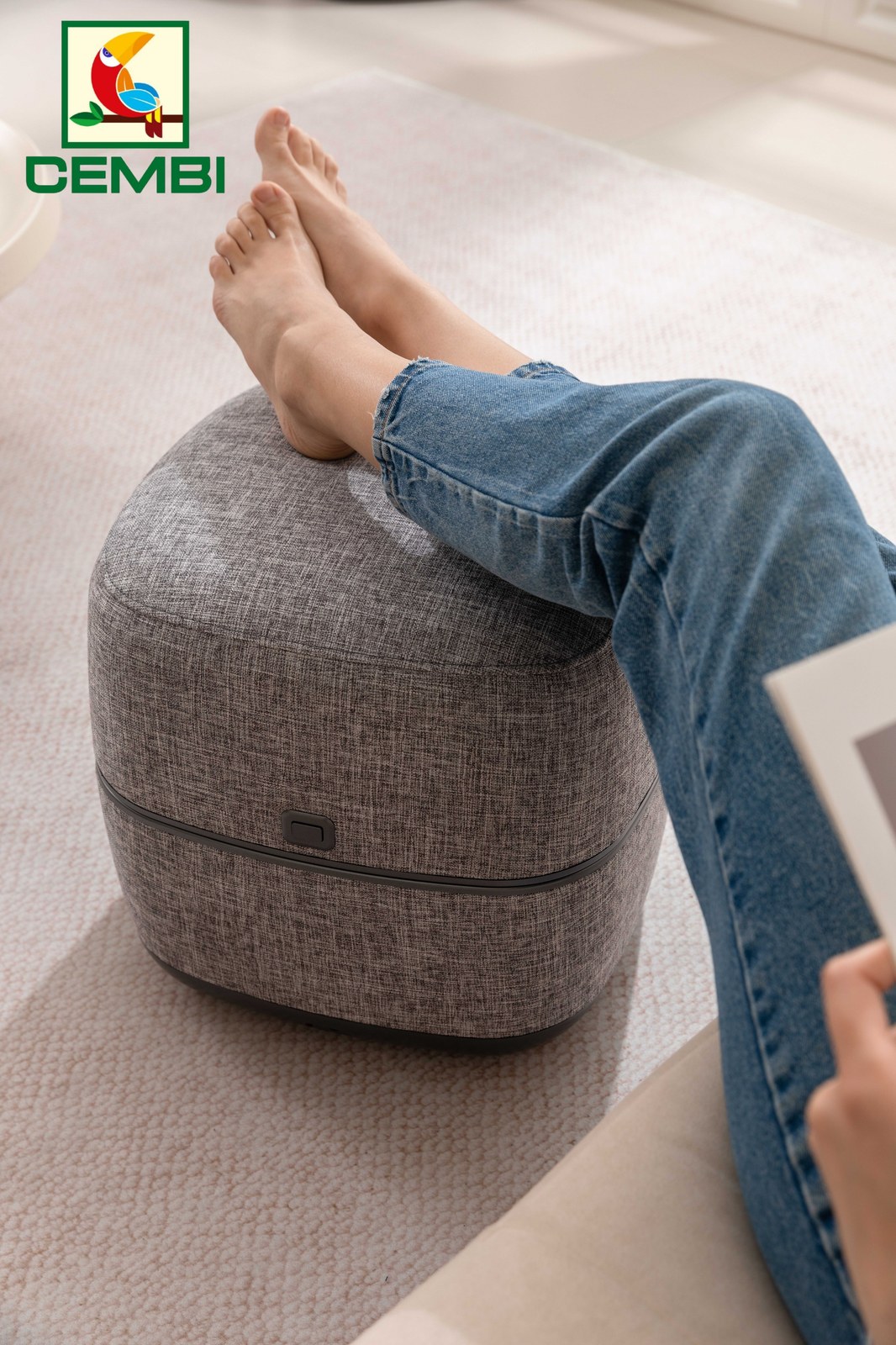
Those who sit or stand all day feel heaviness in their legs. Airbag leg and foot massages can help ease this by gently squeezing and releasing the muscles. The heating feature and the zero-gravity position support this effect; as the legs rise toward heart level, return flow becomes easier.
If foot fatigue is your main concern, a compact solution like the Cembi RestOttoman foot massager can be a good start.
4. Contribution to sleep
A 15-20 minute session in the evening can be a nice ritual to prepare the body and mind for bed. Relaxed muscles and lowered tension can make it easier to fall asleep. We are not claiming it is a cure for insomnia; but the habit of "massage instead of a screen before bed" works for many users.
Tip: Right before sleep, choose light, slow-paced automatic programs rather than very intense ones.
5. Desk posture and neck-shoulder fatigue
For people who spend long hours at a computer, the neck, shoulders and upper back stay constantly tense. A massage chair reduces this tension with programs that target these areas. However, posture problems are not fixed by massage alone; they should be addressed together with regular breaks, an ergonomic workspace and light stretching.
Here, stretch-focused programs make a difference. For example, the dedicated Yoga program in the Cembi Yoga model adds light stretching on top of the classic massage.
The limits of the research: an honest look
Most massage chair research was done with small participant groups in controlled settings. Moreover, different brands and models can work very differently. So claims like "it cures this illness" are not accurate. A massage chair does not replace physical therapy; if pain, numbness or swelling persists, you should see a doctor.
A realistic expectation is this: a regular self-care routine that relaxes the muscles and reduces stress.
How long and how often should a massage chair be used?
- Beginners: 10-15 minutes per session, 2-3 times a week
- Once it becomes a habit: 20-30 minutes
- Upper limit: Most experts recommend not exceeding 45 continuous minutes
If you feel pain during a session, lower the intensity. Massage is not a "harder is better" matter; overuse can cause muscle soreness. If you have used it several days in a row, give your body a day or two of rest.
Who should consult a doctor before use?
In the following situations, be sure to consult your doctor before using a massage chair:
- A history of clotting disorders or vascular blockage
- Heart disease or a pacemaker
- Kidney problems
- Pregnancy
- Osteoporosis or a recent fracture
- An open wound, skin infection or a recent surgical site
When does a massage chair make sense at home?
If several people will use it, if you are looking for a regular relaxation spot at set times of day, and if you already spend a budget on a few massage sessions a month, a massage chair can be a sensible long-term investment. What matters is choosing the right model for your body, your height and your room.
To see models side by side, use our comparison tool, and review our products on the products page.
Frequently Asked Questions
Let's choose the right model together
Message the Cembi team on WhatsApp for free consultation and a quote.

